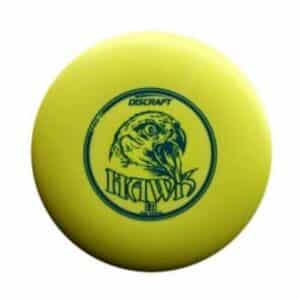
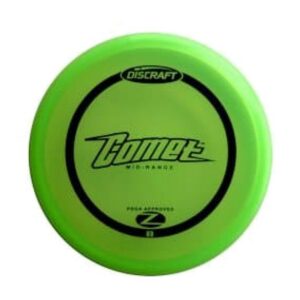
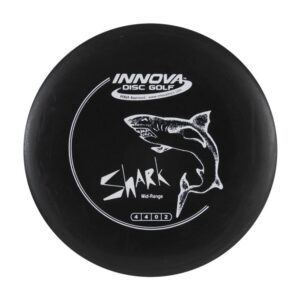
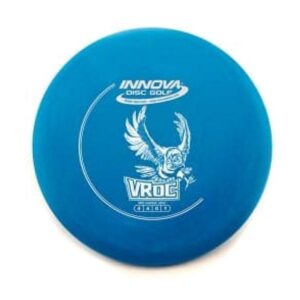
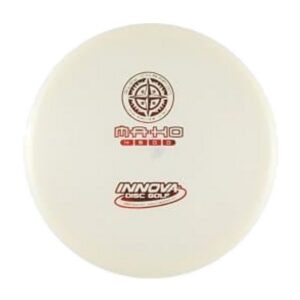
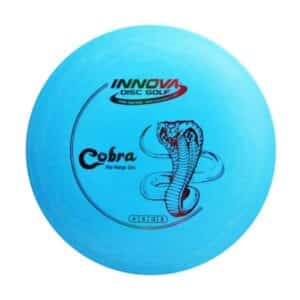
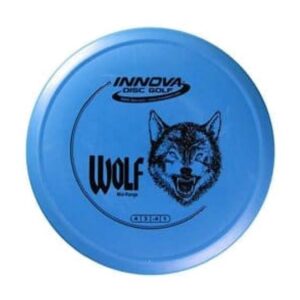
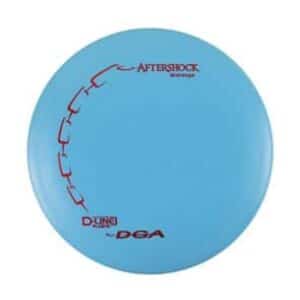
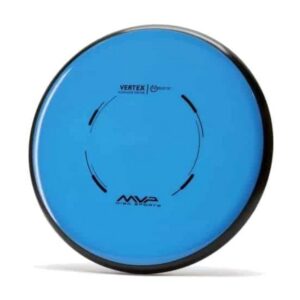
The midranges in the archive, with flight numbers, stability and plastics — and a straight answer on whether you should be throwing one.
Is a midrange right for you?
Midranges are slow, blunt and predictable, and they are where scoring actually happens. They fly closest to their published numbers for the widest range of players, which makes them the most honest disc in the bag — and the best one to practise with.
What it does
Goes where you point it
Speed 4 to 6 with a rounded, blunt rim. Built for control rather than distance: straight lines, tight gaps, controlled approaches and anything inside roughly 300 feet.
What it asks of you
Almost no arm speed
A midrange reaches its rated speed for nearly everyone, which is why it behaves the way the numbers say it will. It also means it hides nothing — if your release is off, a midrange shows you immediately.
The common mistake
Under-using them
Reaching for a driver on a 280-foot hole because it feels like a driver shot. A midrange you can place beats a driver you can't. Most strokes are lost inside midrange range, not outside it.
If you practise one disc
Make it a midrange. It exposes the form problems a driver disguises, and the control you build with it carries straight into every faster disc you throw.
Hey there! You can ask me anything disc golf related. Need help choosing a disc for that tricky left-to-right fairway? Looking for a disc with similar flight numbers? Or maybe advice on tackling a headwind? Whatever it is, go ahead—ask me!
I’m here for all things disc golf—ask me anything.